
One of the most common myths in nutrition is that physical endurance comes primarily from protein. In reality, carbohydrates are the body’s preferred fuel source for sustained physical activity. While protein is important for building and repairing muscles, it is carbohydrates that provide the energy needed to keep those muscles moving during exercise.
When we eat carbohydrate-rich whole foods, the body converts them into glucose and stores some of it as glycogen, mainly in the muscles and liver. During activities such as walking, hiking, cycling, swimming, or running, glycogen serves as the body’s readily available fuel supply alongside the glucose that’s circulating in your bloodstream. When glycogen stores are well stocked, muscles can work longer and more efficiently. When they become depleted, fatigue sets in and performance declines.
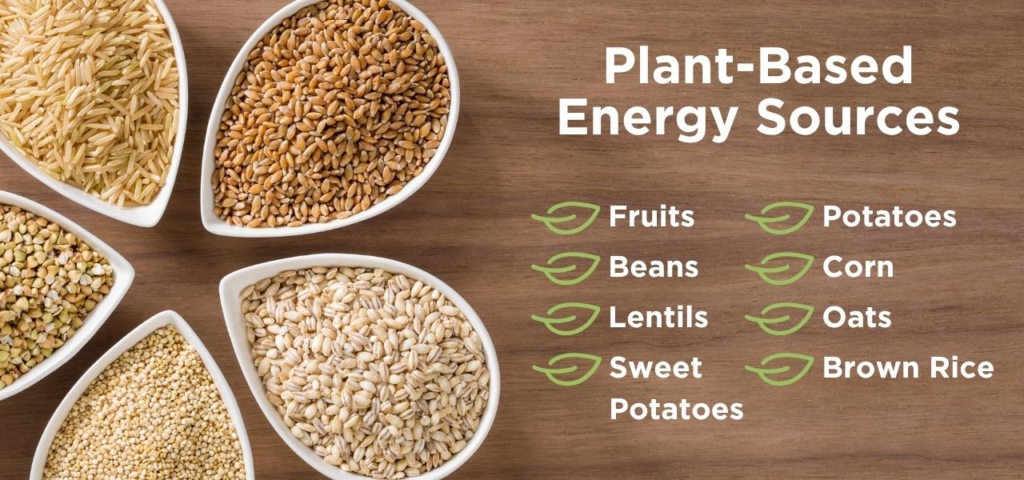
Whole plant foods are naturally rich in the carbohydrates that support endurance. Foods such as fruits, beans, lentils, potatoes, sweet potatoes, corn, oats, and whole grains provide a steady source of energy along with fiber, vitamins, minerals, and antioxidants that support overall health and recovery.
And despite what many people believe, plants also contain protein. Beans, lentils, peas, whole grains, nuts, seeds, and even vegetables contribute protein to the diet. In fact, every whole plant food contains some protein. People who eat a varied whole food, plant-based diet typically consume adequate protein while also obtaining the carbohydrates their bodies need for sustained energy.
The world’s most enduring populations, as well as many successful endurance athletes, base much of their diets on carbohydrate-rich plant foods. Rather than choosing between carbohydrates and protein, whole plant foods provide both—delivering the energy to keep going and the nutrients needed to recover and thrive.